
How it works
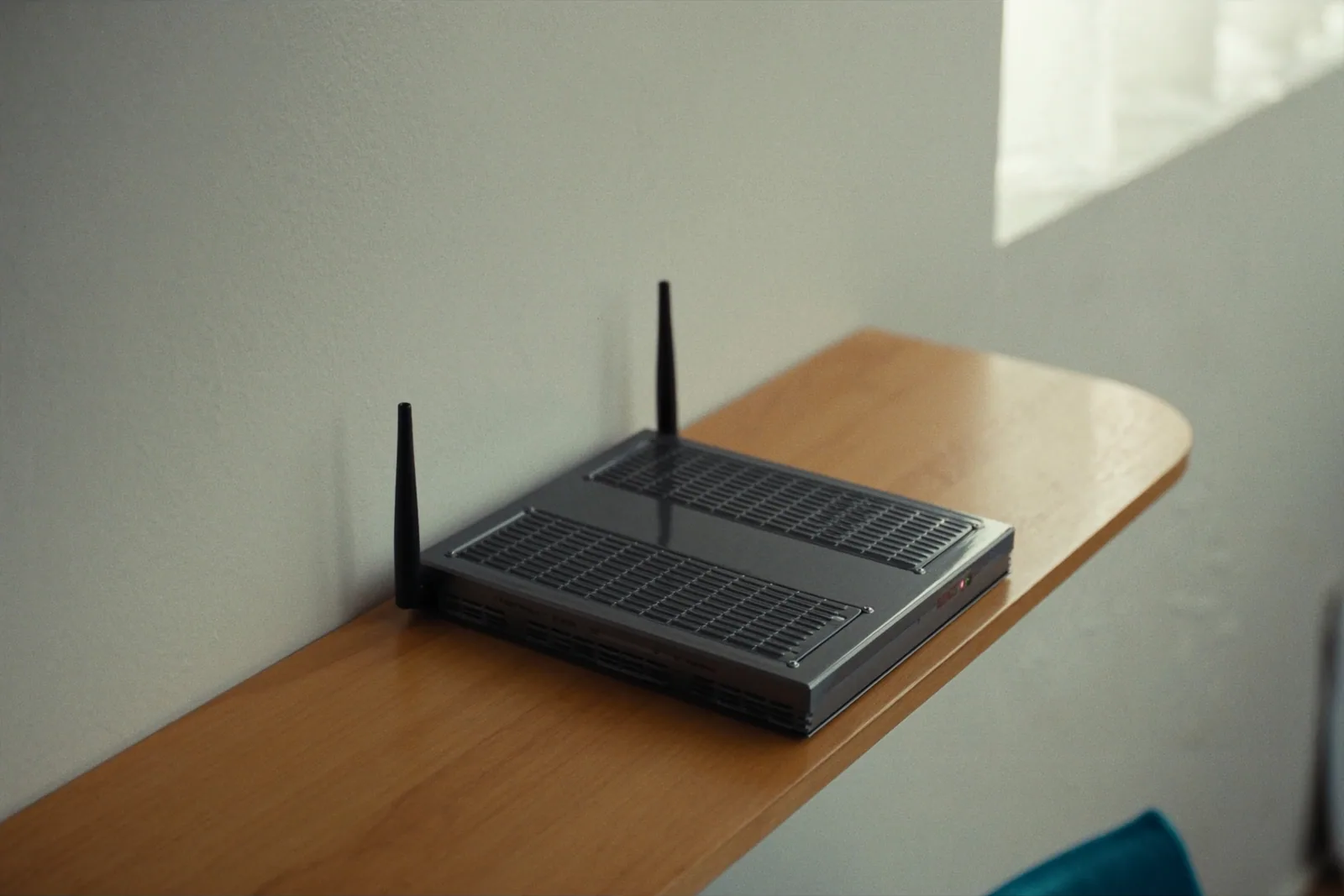
- A 4G router sits at your site. A dedicated router with its own mobile data service, connected to your network alongside the NBN modem.
- The NBN drops. The router notices the connection has gone and routes your traffic over 4G instead.
- The office carries on. Email, cloud applications and the phones can keep working over the mobile network, at mobile speeds. Anything that depends on a fixed public address is the exception, and we design around it before you need it.
- You tell us, we chase it. Failover can be quiet, so when the office notices the line has dropped, ring our helpdesk: we lodge the fault with our wholesale carrier and chase it while the 4G carries you. When the NBN comes back, traffic moves back on its own.
What it is, and what it is not
An add-on, quoted per site
4G failover is quoted as an add-on to a managed connection, or on its own for a site with no fixed line. It is not included by default, because not every site needs it, and we would rather say so than pad a quote.
Mobile speeds, not fibre speeds
4G is a safety net. It can keep the office working; it does not replace a fixed line for a busy office. If you need more, the answer is a better fixed line, not more 4G.
The router is sold, not loaned
The 4G router is network hardware sold with the service, set out in the quote as a one-off line. The mobile data service is the monthly part.
Addresses on 4G
A connection on the mobile network is not the right place to rely on a fixed public address. If a service at your site depends on one, tell us, and we will design around it.
4G only
A site with no fixed line worth having, a temporary office or a yard shed can run on 4G alone. We quote that too, with the same router and the same helpdesk.
Alarms and EFTPOS
A back-to-base alarm that dials over the old phone line needs to move to a 4G module of its own, through your alarm company. An older EFTPOS terminal that dials out needs the bank's attention. We raise both with you before the old line goes.